
From Grill 225's last days to IAAM's most important new exhibit in years, here's everything that moved the needle in Charleston this month.
A remarkable amount happened in Charleston's dining, cultural, and civic life over the past month — and not all of it was good news. The Charleston Place is clearing out Grill 225 and Palmetto Cafe for three unnamed successors, Chubby Fish finally capitulated to OpenTable, and the International African American Museum opened what may be the most significant new exhibit in the city this year. Meanwhile, babas on meeting claimed the King Street address Rodney Scott vacated, and the Battery extension moved from plan to engineering contract.
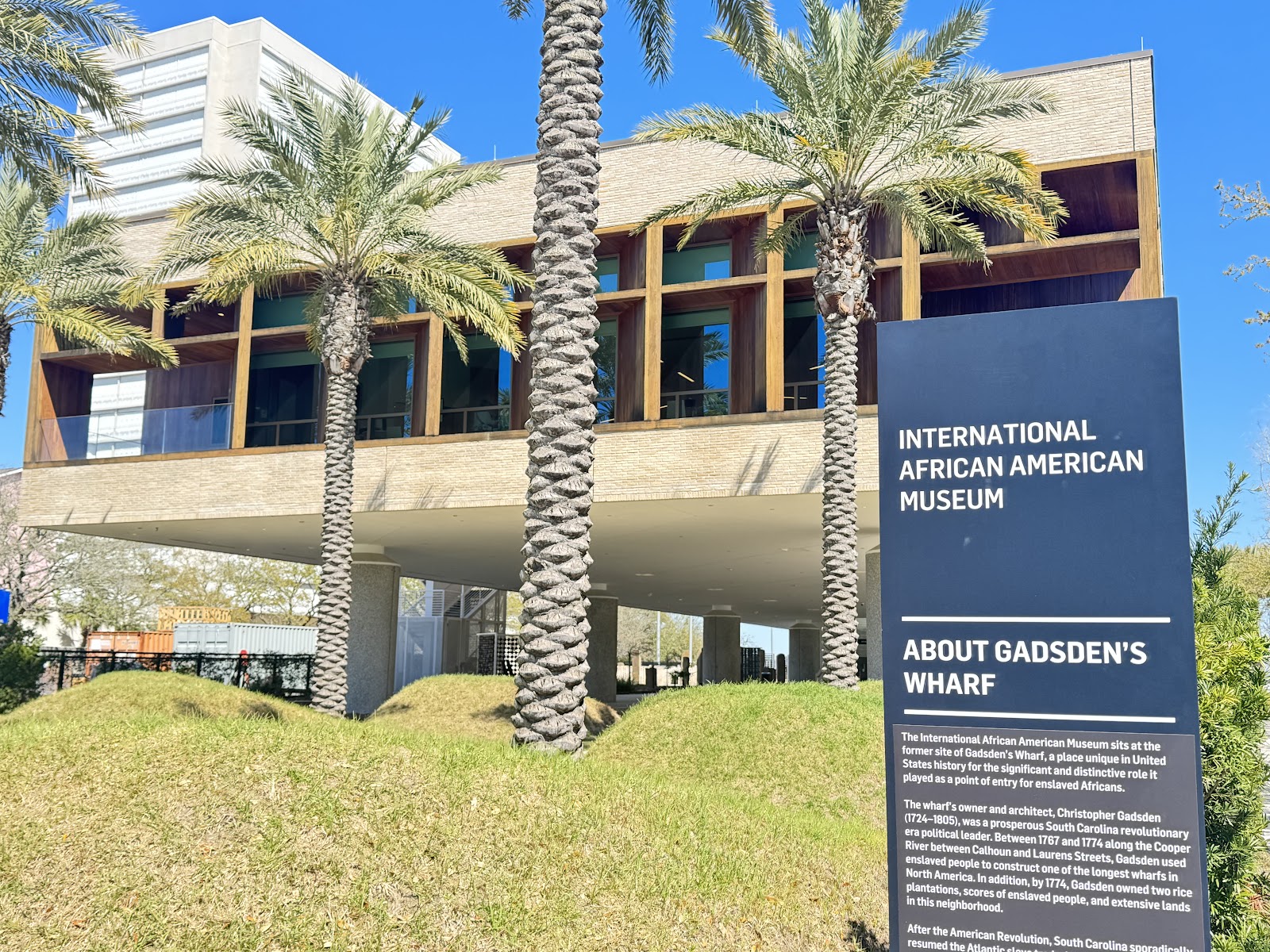
The museum's new 'They Lived' exhibit reframes the daguerreotypes of seven enslaved people commissioned in 1850 by Harvard scientist Louis Agassiz — long used to advance discredited racial science — as portraits of individuals with interior lives. Per the Post & Courier, the show debuted during IAAM Homecoming week and ranks as one of the more serious museum openings in recent memory.
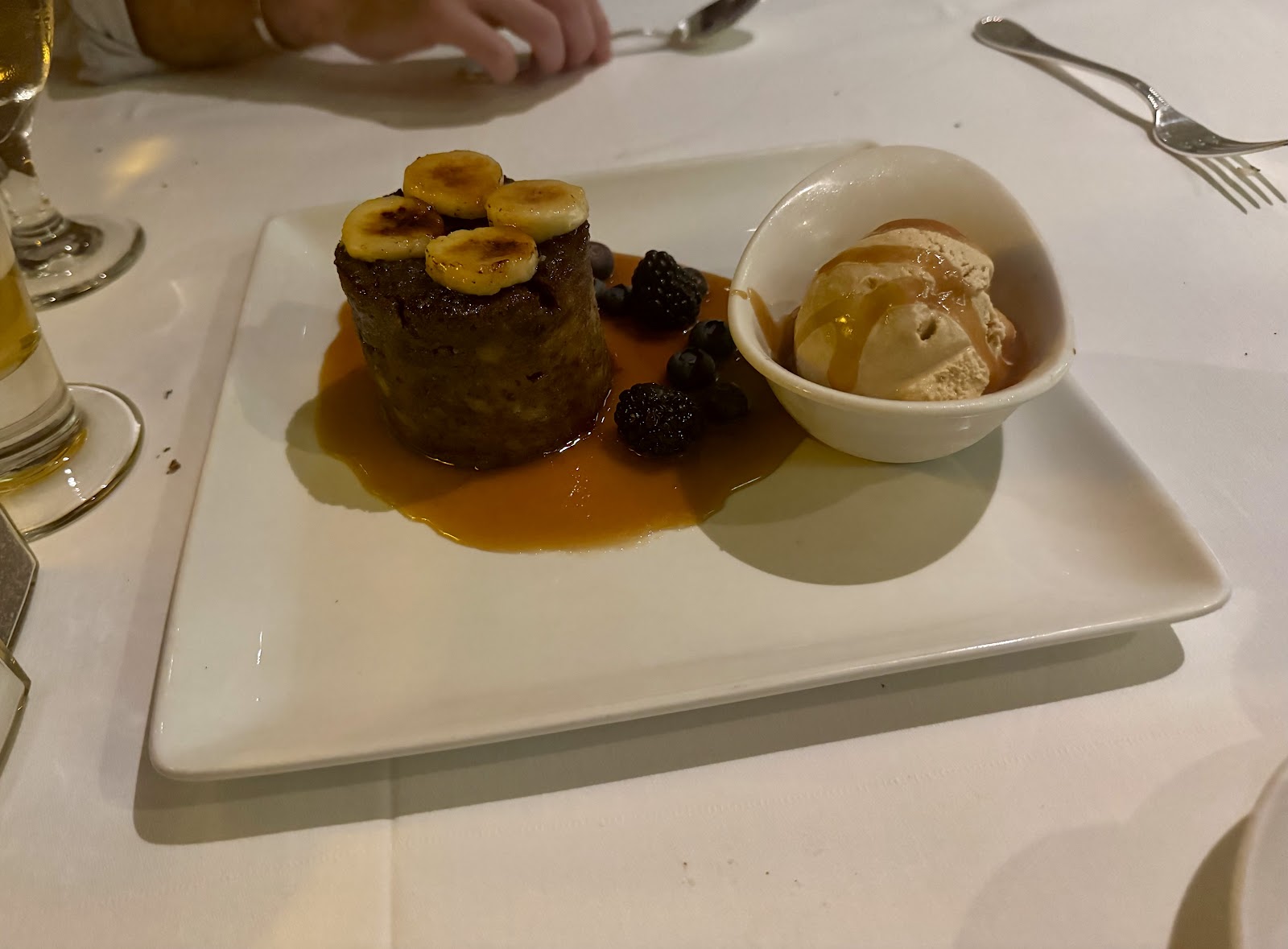
The Post & Courier confirmed this week that the Charleston Place will close Grill 225 — along with Palmetto Cafe and a third restaurant outlet — to make way for three entirely new dining concepts with no operators or timelines yet announced. For a room that has held the line as Charleston's only 100% USDA Prime steakhouse since 2002, the closure is worth marking.
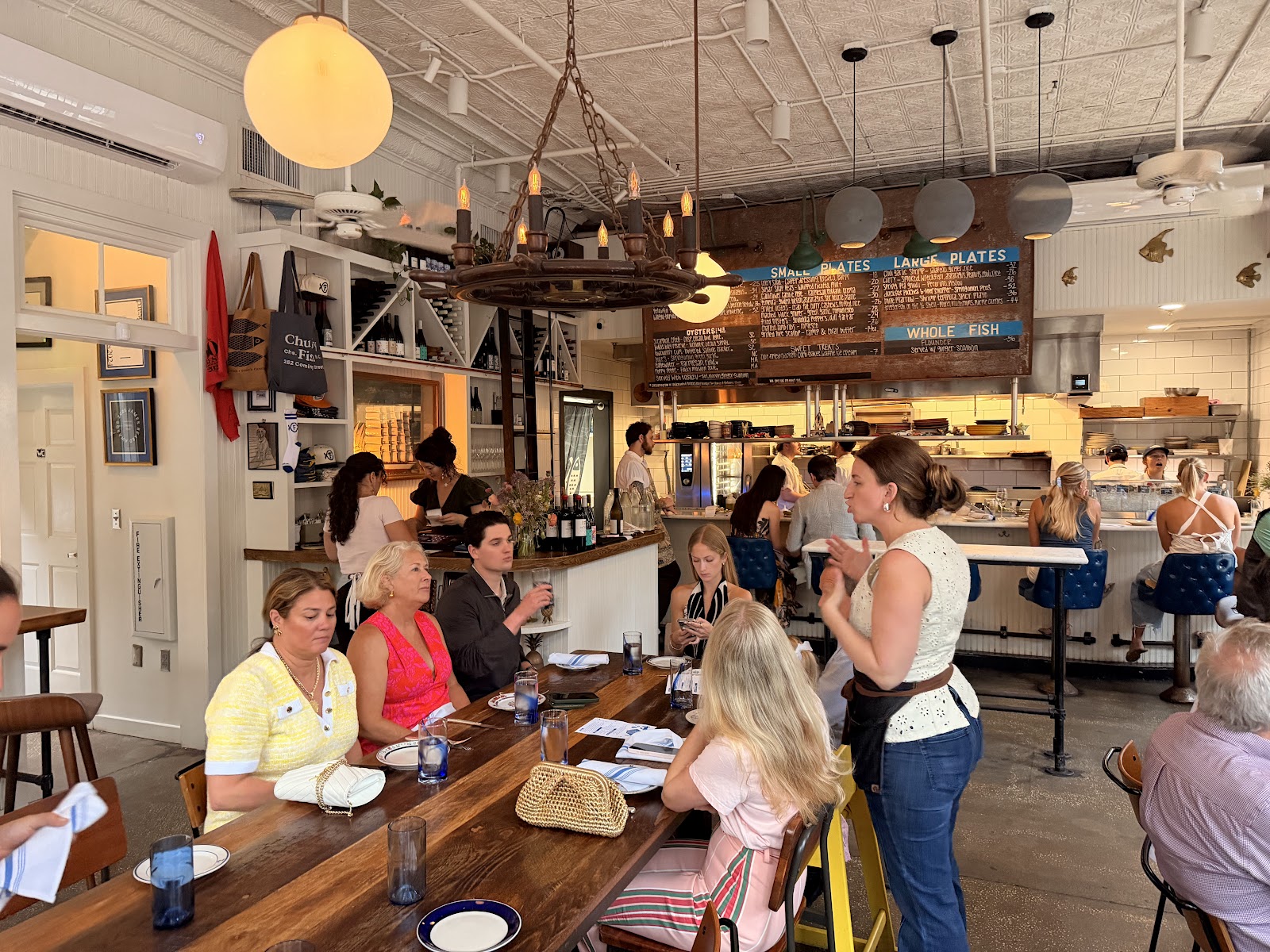
After years of nightly lines forming well before service, Chubby Fish announced it will begin accepting a limited number of reservations through OpenTable — a quiet but significant policy shift for one of Charleston's most discussed restaurants. Per the Post & Courier briefing: 'Get on OpenTable now. Those slots will go fast.'
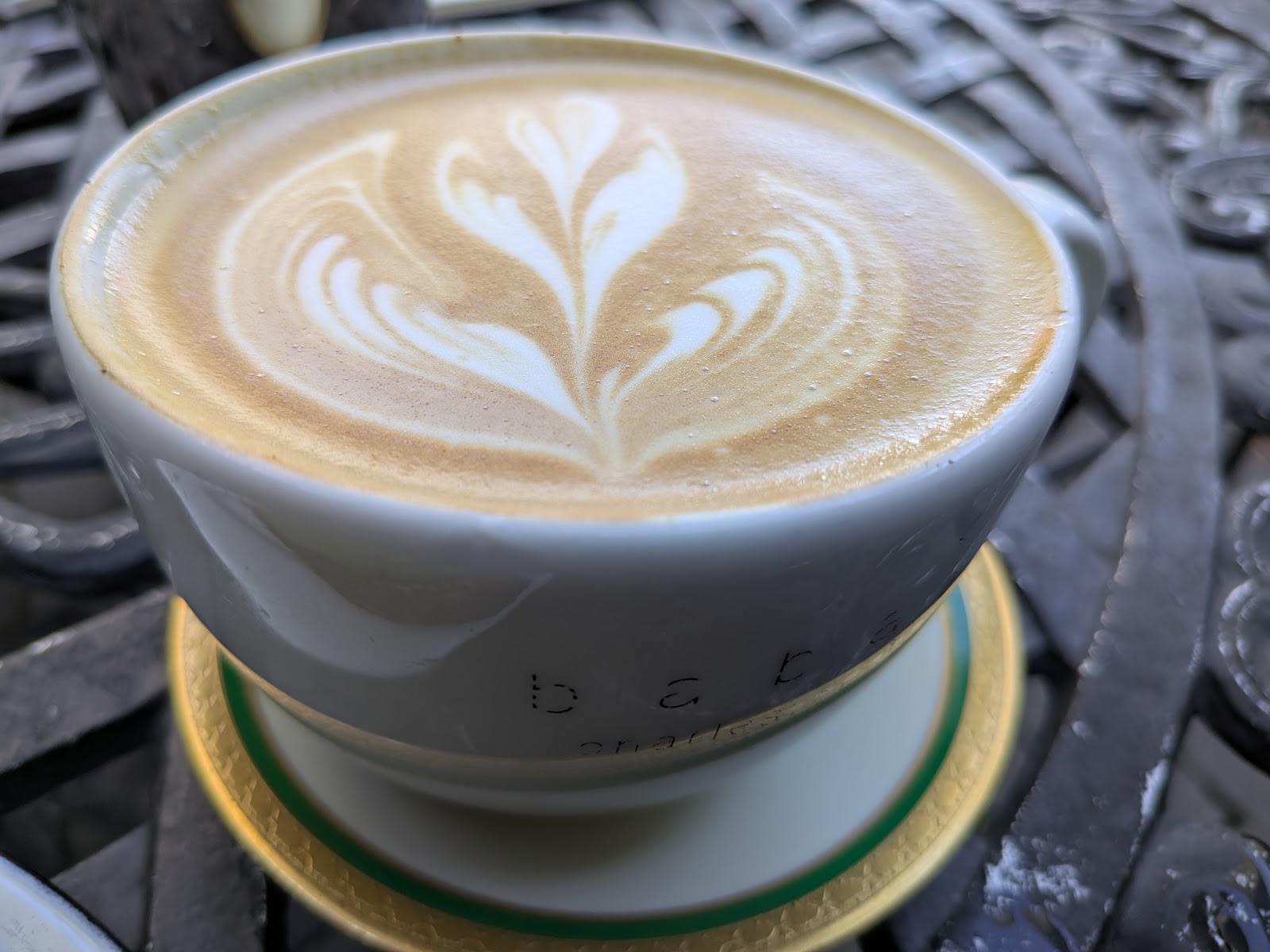
Rodney Scott's BBQ will not return to 1011 King Street — co-founder Nick Pihakis filed for bankruptcy with $44 million in debts — and the confirmed new tenant is babas on meeting, the Italian-leaning café already operating on Meeting Street. As the Post & Courier put it: 'A major King Street corner is turning over.'
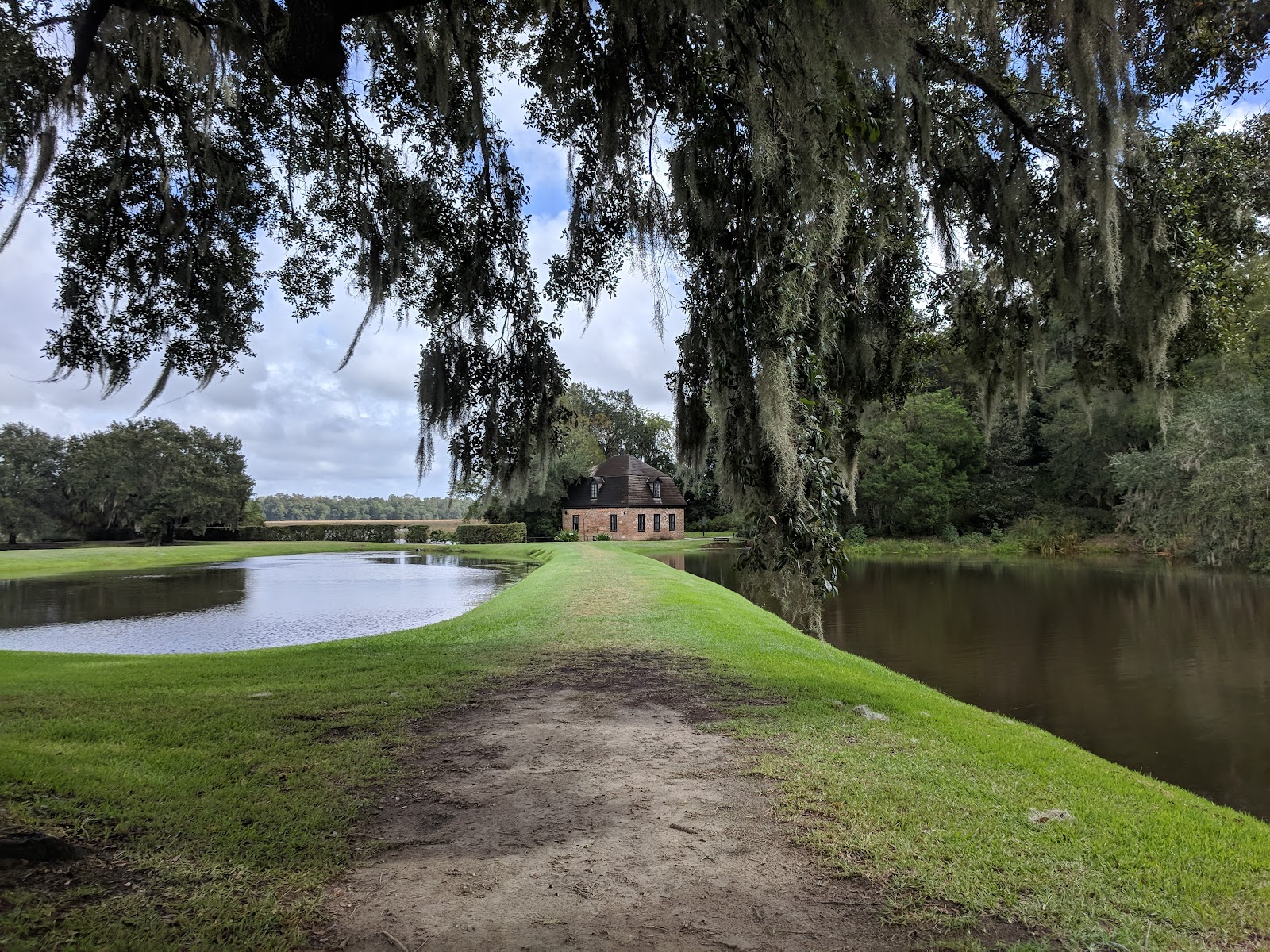
The Middleton Place Foundation secured a $650,997 federal preservation grant to stabilize two of its oldest surviving structures — the plantation's 18th-century chapel and Spring House, both closed to visitors for some time. Per the Post & Courier briefing, the grant is 'the first concrete step toward reopening them.'
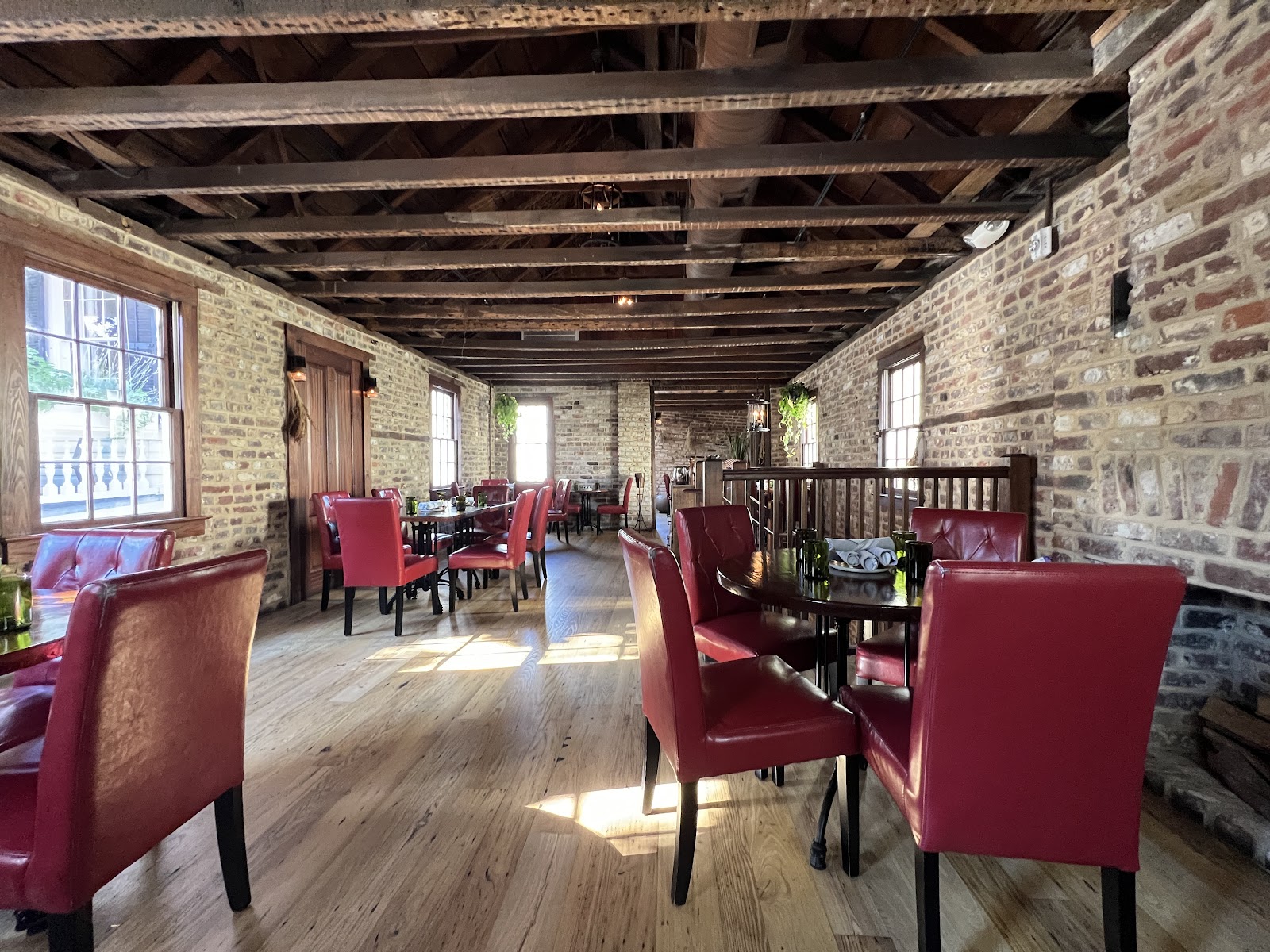
The Neighborhood Dining Group — operators of Husk — will take over a newly built Mount Pleasant dining venue that changed hands for $5 million and never opened under its original concept. No name or opening date has been announced, but the Post & Courier confirmed the deal, and NDG's track record makes this one worth tracking.
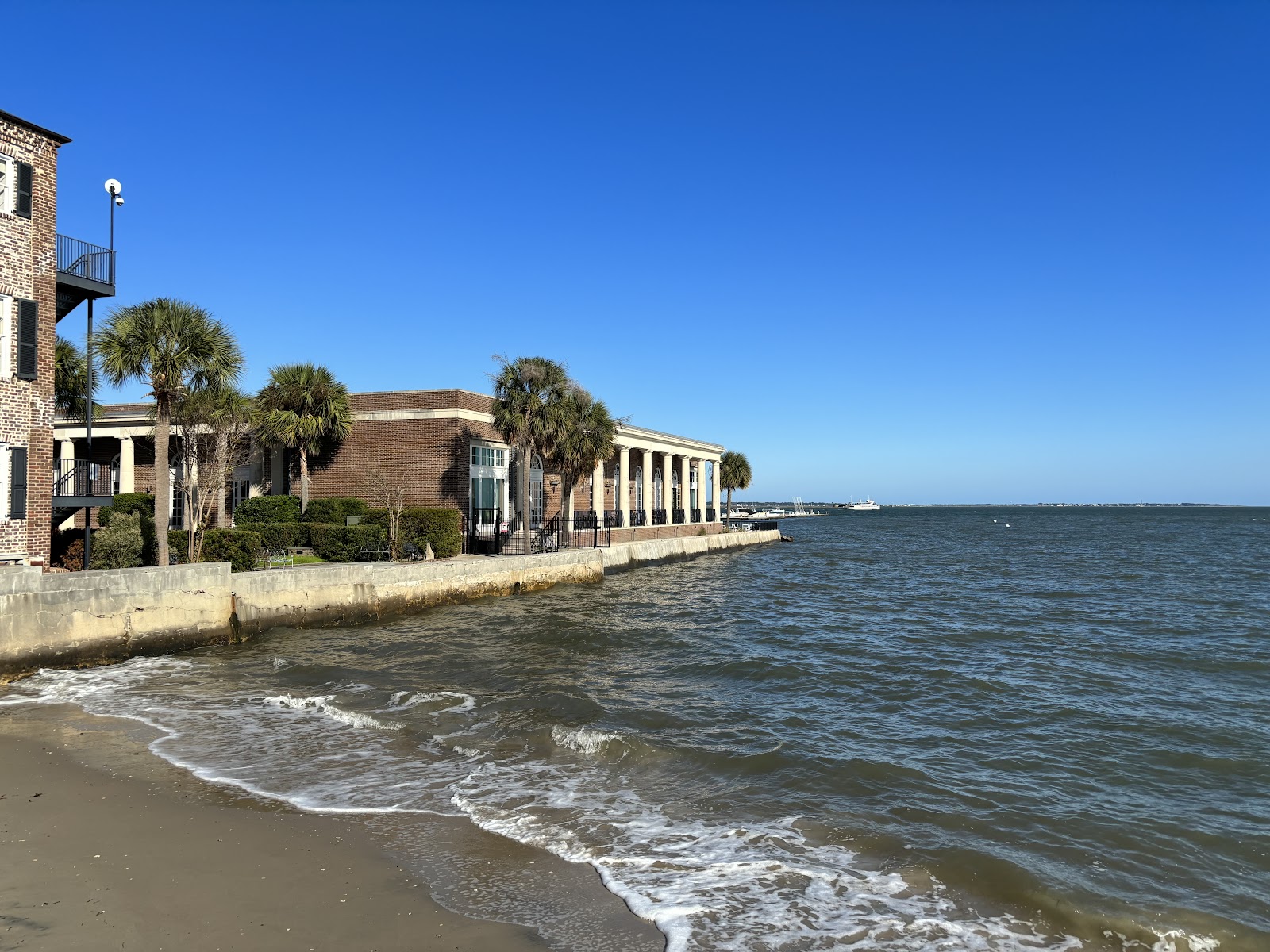
The U.S. Army Corps of Engineers awarded $6.2 million in design contracts for two segments of Charleston's long-planned Battery extension flood mitigation project. Per the Charleston City Paper briefing, 'design contracts mean it's no longer just a plan on paper' — a meaningful threshold for a project that will reshape the southern tip of the peninsula for generations.
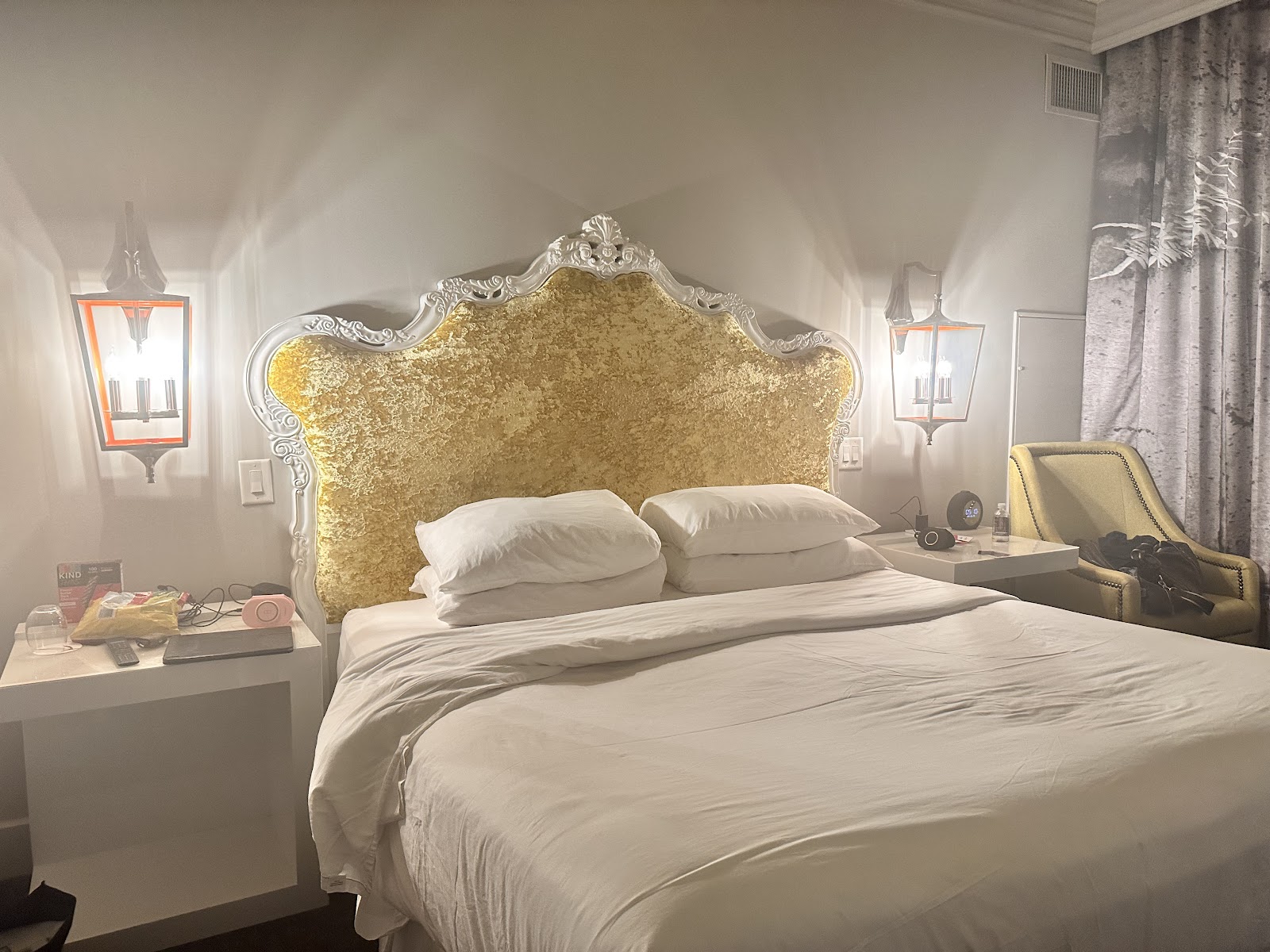
The downtown hotel on Wentworth Street completed its transition to Hotel Operis, repositioning around Charleston's performing arts and culture scene — a rebrand the Post & Courier describes as 'a repositioning, not just a rename.' Worth knowing before you book or recommend it by its old name.
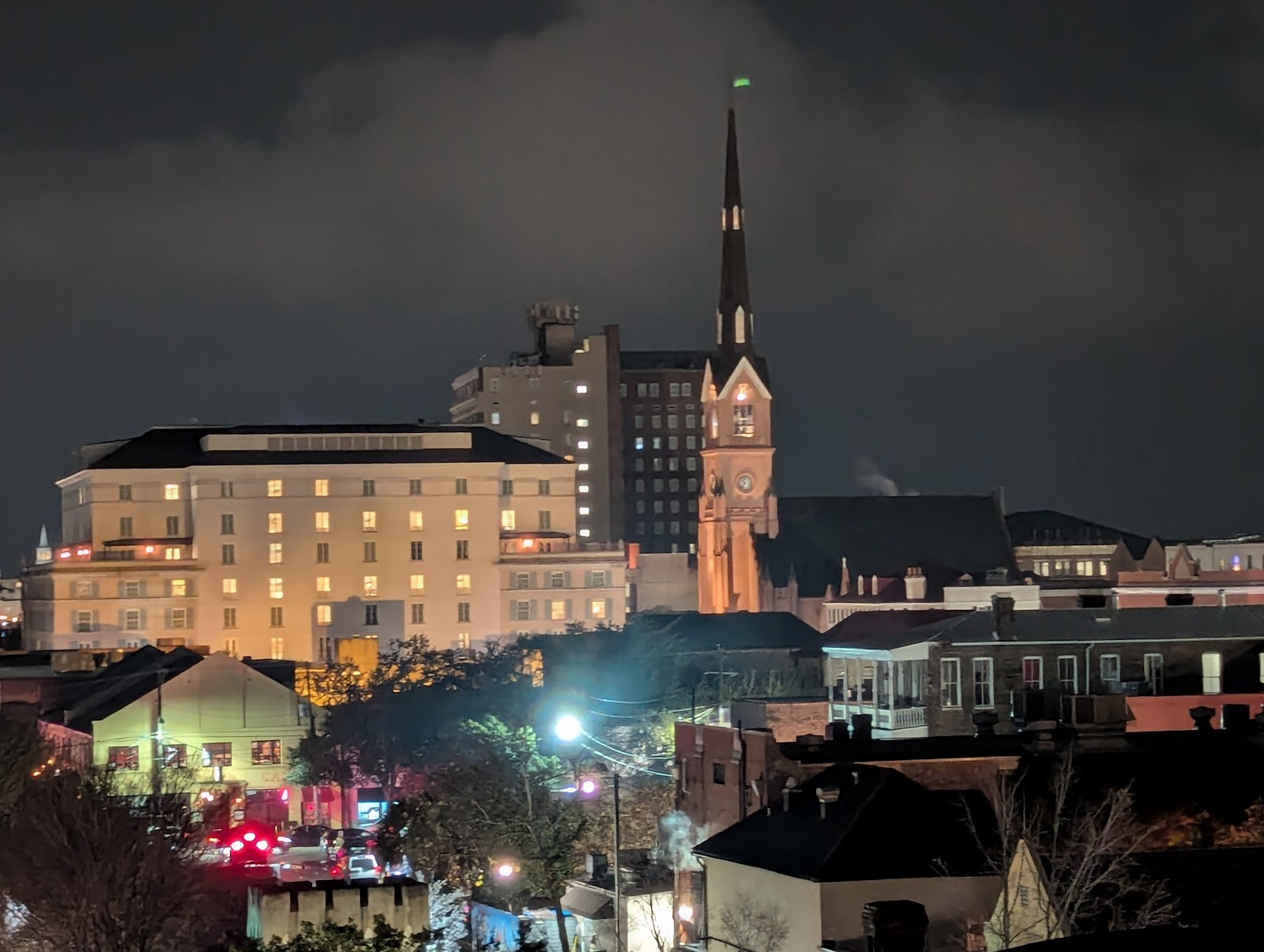
Music Farm hosts the closing installment of an Edisto conservation concert series on November 4 — a night that, per the Charleston City Paper, brings together Charleston musicians around 'threats facing the Lowcountry's natural landscape' through live performance, poetry, and community organizing. Tickets are available now.